Tree Canopy Thinning in Reno, NV
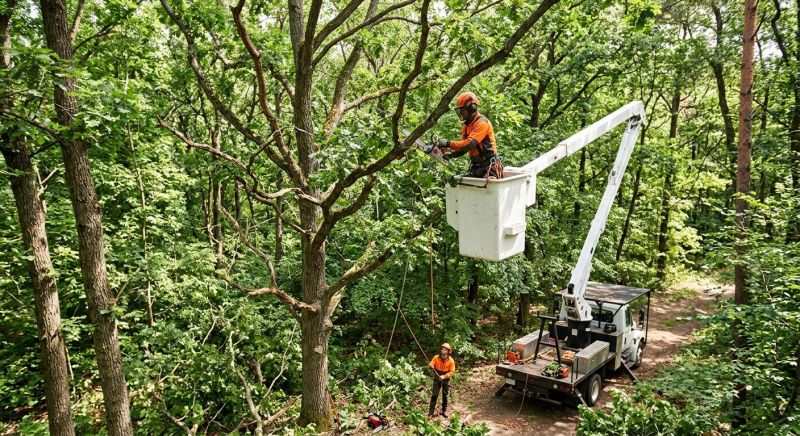
Tree canopy thinning services involve selectively removing branches and foliage to improve the health, safety, and appearance of trees on residential properties. This process helps reduce congestion within the canopy, allowing more sunlight to reach the ground and promoting better air circulation. Projects typically include thinning overgrown or dense canopies, removing dead or problematic branches, and shaping trees to prevent interference with structures, power lines, or other landscape features. Property owners often request this service to enhance the safety of their trees, prevent potential damage during storms, and maintain a balanced, aesthetically pleasing landscape.
Before requesting tree canopy thinning, property owners usually want to understand which trees are suitable for thinning and how the process can impact their overall landscape. It’s important to consider the health and species of the trees involved, as well as any local regulations or guidelines that may apply. Additionally, understanding the scope of work, including which branches will be removed and how the thinning will be performed, can help ensure the results meet expectations while maintaining the tree’s vitality. Proper planning can contribute to a safer, healthier, and more attractive property landscape.
Many property owners in Reno, NV look into Tree Canopy Thinning for repairs, replacements, upgrades, and appearance-related improvements.
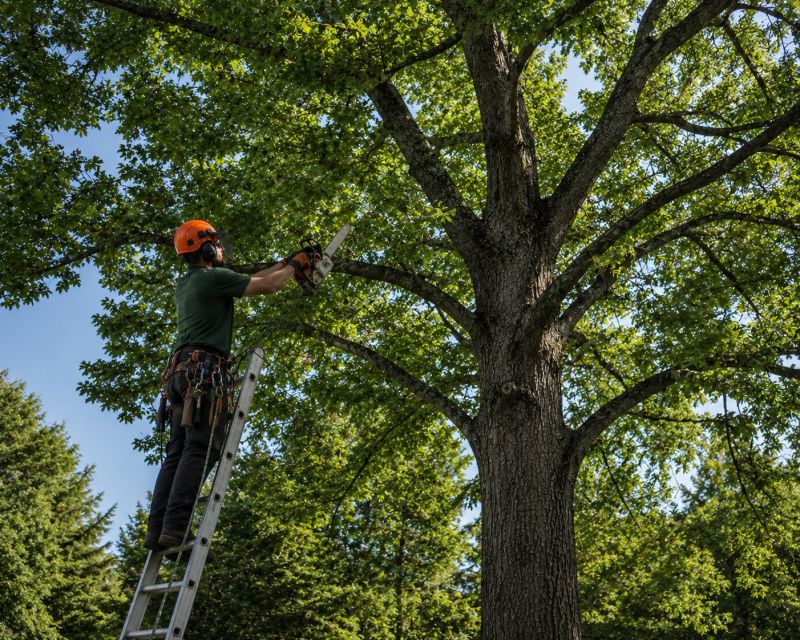
Enhancing Tree Health
Selective thinning helps improve the overall health and longevity of your trees.
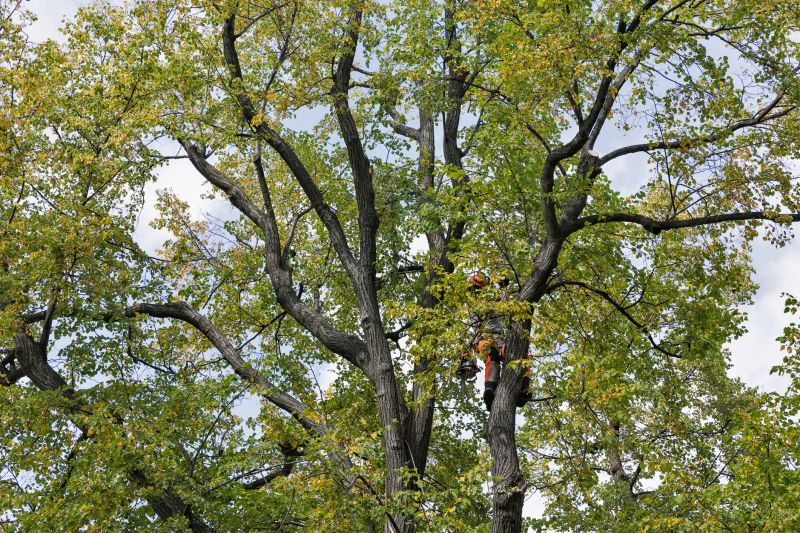
Improving Property Safety
Thinning reduces the risk of falling branches and enhances safety around your home.
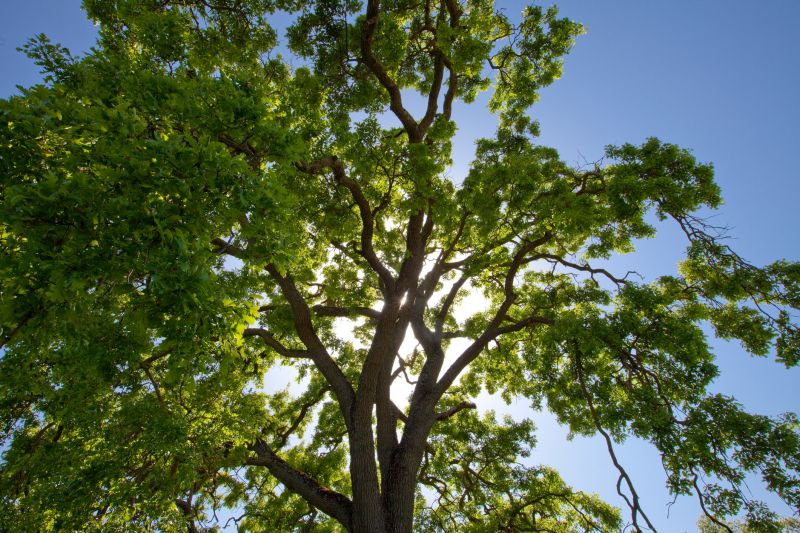
Boosting Landscape Appearance
Proper canopy thinning can create a more open and aesthetically pleasing yard in reno.
Tree Canopy Thinning in Reno, NV
Tree canopy thinning services involve selectively removing branches and foliage to improve the health, safety, and appearance of trees on residential properties. This process helps reduce congestion within the canopy, allowing more sunlight to reach the ground and promoting better air circulation. Projects typically include thinning overgrown or dense canopies, removing dead or problematic branches, and shaping trees to prevent interference with structures, power lines, or other landscape features. Property owners often request this service to enhance the safety of their trees, prevent potential damage during storms, and maintain a balanced, aesthetically pleasing landscape.
Before requesting tree canopy thinning, property owners usually want to understand which trees are suitable for thinning and how the process can impact their overall landscape. It’s important to consider the health and species of the trees involved, as well as any local regulations or guidelines that may apply. Additionally, understanding the scope of work, including which branches will be removed and how the thinning will be performed, can help ensure the results meet expectations while maintaining the tree’s vitality. Proper planning can contribute to a safer, healthier, and more attractive property landscape.
Many property owners in Reno, NV look into Tree Canopy Thinning for repairs, replacements, upgrades, and appearance-related improvements.
Common Tree Canopy Thinning Jobs
Tree Canopy Thinning Services - thinning overgrown branches to improve air flow and sunlight penetration.
Tree Canopy Thinning Services - reducing dense foliage to prevent limb damage and promote healthy growth.
Tree Canopy Thinning Services - selectively removing branches to enhance property views and landscaping aesthetics.
Tree Canopy Thinning Services - decreasing weight on branches to lower the risk of storm damage or falling limbs.
Tree Canopy Thinning Services - balancing tree structure for better overall health and longevity.
Tree Canopy Thinning Services - removing dead or diseased branches to support tree vitality and safety.
Tree Canopy Thinning Questions
What is tree canopy thinning? Tree canopy thinning involves selectively removing branches to reduce the density of the upper parts of a tree, improving airflow and light penetration.
Why consider canopy thinning? Thinning can help maintain tree health, reduce wind resistance, and prevent potential damage from overgrown branches.
Which types of trees benefit from canopy thinning? Mature and overgrown trees that have dense foliage or are at risk of storm damage often benefit from canopy thinning.
When is the best time for canopy thinning? The ideal time is during the tree's dormant season, typically late winter to early spring, before new growth begins.
Request Tree Canopy Thinning in Reno, NV
Use the quote form on this page to share the basics of your project and request more information for the type of work you need.